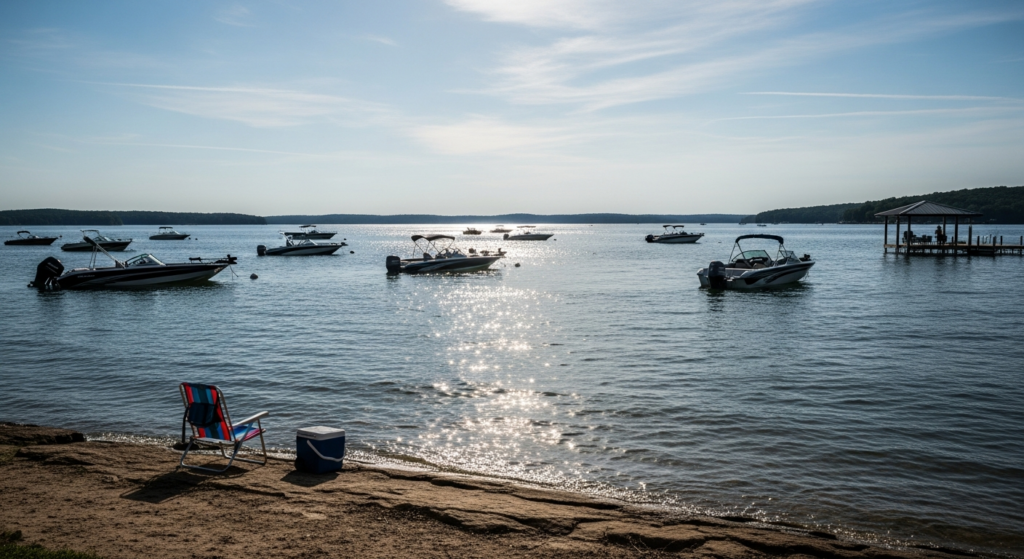
As summer continues in Chapin, a new safety guide has been issued to help recreational anglers and boaters navigate the inherent risks of spending extended time on Lake Murray. The recommendations focus on preventing sun-related injuries, heat illness, and ensuring basic boat safety, underscoring the importance of preparation for anyone enjoying the water.
One of the primary concerns highlighted in the guide is sun exposure. The sun’s ultraviolet (UV) rays are strongest between 10 AM and 4 PM, a period when many anglers are actively fishing. Compounding this risk, water surfaces on Lake Murray can reflect up to 15% of UV radiation back at a person, significantly increasing overall exposure. This reflective property means that even under cloudy skies, individuals on the water are subject to heightened UV levels, making comprehensive protection essential.
To counter the intensified UV exposure, the guide recommends a multi-faceted approach to sun protection. A broad-spectrum sunscreen, offering protection against both UVA and UVB rays, is advised, with at least SPF 30. For those planning extended periods on the water, SPF 50+ is strongly recommended. Proper application is crucial: sunscreen should be applied 30 minutes before going outdoors to allow it to bind to the skin, and reapplied every two hours. This frequency should increase if an individual is sweating heavily, getting splashed, or after swimming, common occurrences during a summer day on Lake Murray.
Beyond sunscreen, protective clothing plays a vital role. The guide suggests wearing lightweight, long-sleeved shirts and pants made from UPF-rated fabrics. These materials are specifically designed to block a significant portion of UV radiation, offering a physical barrier against the sun. A wide-brimmed hat, providing at least four inches of coverage all around, is recommended to protect the face, ears, and neck—areas particularly vulnerable to sun damage. Additionally, polarized sunglasses with 100% UV protection are essential not only for eye safety but also for reducing glare off the water, improving visibility and comfort for anglers.
Maintaining proper hydration is another critical component of summer safety. Early signs of dehydration include thirst, dry mouth, decreased urination, and fatigue. If ignored, these can progress to more severe symptoms such as dizziness, a rapid heartbeat, and confusion, which can impair judgment and reaction time—a dangerous prospect on the water. Proactive hydration, by consistently drinking water throughout the day rather than waiting until thirst sets in, is key to preventing these conditions.
The guide also provides clear distinctions between heat exhaustion and the more severe heat stroke. Symptoms of heat exhaustion include heavy sweating, weakness, nausea, headache, and muscle cramps. If these symptoms appear, individuals should move to a cooler, shaded area, loosen clothing, and rehydrate. Heat stroke, a medical emergency, is characterized by a high body temperature above 103°F, an altered mental state, hot and dry skin (or sometimes profuse sweating), a rapid pulse, and potential unconsciousness. Immediate medical attention is crucial for heat stroke, and individuals experiencing these symptoms should seek emergency care without delay, potentially at facilities like Lexington Medical Center or Prisma Health Family Medicine – Chapin.
For those venturing out in boats, specific safety measures are paramount. The guide recommends filing a float plan with a trusted contact, detailing the boat’s destination, expected return time, and number of people on board. Carrying a VHF radio is advised for reliable communication, especially in areas of Lake Murray where cellular service might be unreliable. Furthermore, boaters should pack extra water and emergency supplies, including a first-aid kit, signaling devices, and extra food. The Coast Guard recommends carrying at least one gallon of water per person per day for emergency situations, a critical provision should a boat breakdown or unexpected delay occur on the expansive lake.
Why it matters in Chapin
Chapin’s identity is deeply intertwined with Lake Murray, serving as a hub for recreational boating and fishing, particularly during the summer. The consistent flow of residents and visitors to the lake underscores the relevance of these safety guidelines. Adhering to sun protection and hydration protocols can significantly reduce the incidence of heat-related illnesses and skin damage, alleviating potential strain on local healthcare providers such as Lexington Medical Center. Moreover, robust boat safety practices, including float plans and emergency provisions, are vital for ensuring timely assistance in case of an incident on the water, protecting the many families who frequent Dreher Island State Park and other lakeside attractions. These measures collectively contribute to a safer, more enjoyable summer experience for all who cherish Chapin’s primary natural asset. This focus on safety helps maintain the area’s reputation as a premier destination for outdoor activities.