With deer season on the horizon, hunters across Chapin and the broader Midlands area are engaging in crucial preseason preparations to ensure a safe, ethical, and successful experience. A comprehensive checklist is guiding these efforts, focusing on meticulous equipment inspection, personal readiness, and strategic planning long before opening day.
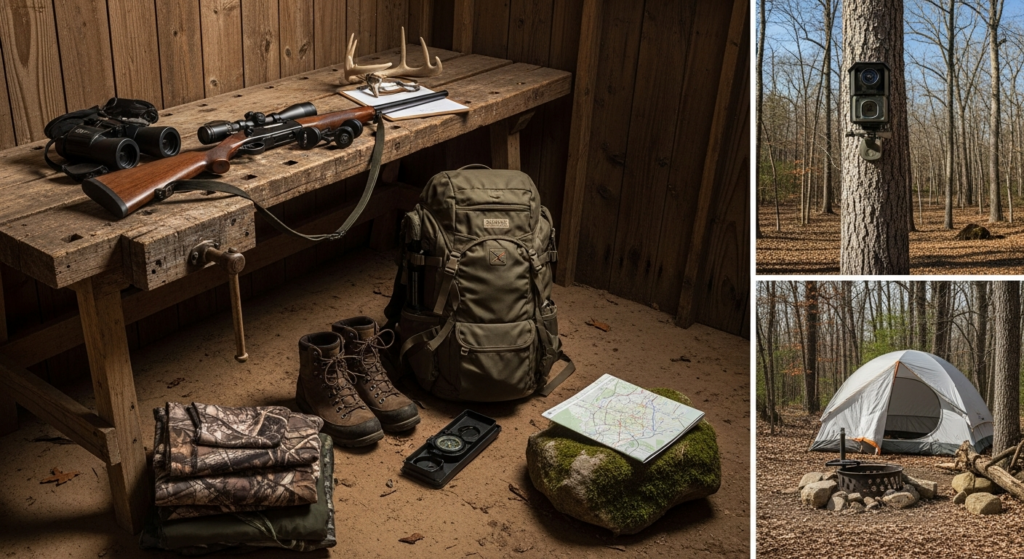
Weapon and optics readiness forms a foundational element of this preparation. For bowhunters, this involves a detailed inspection of bow limbs, cams, and strings for any signs of wear, fraying, or separation that could compromise performance or safety. Waxing bowstrings is a routine maintenance step that protects against moisture and wear, extending their lifespan and ensuring consistent shot accuracy. Rifle hunters, conversely, are cleaning and oiling their firearms to prevent corrosion and ensure smooth operation. A critical step is verifying scope mounting and zero, as even minor shifts can lead to significant inaccuracies in the field. For both bow and rifle users, checking broadhead straightness and alignment with an arrow spinner is essential for ensuring true flight and ethical shot placement.
Beyond weaponry, appropriate clothing and footwear are vital for comfort, concealment, and endurance. Hunters are washing all gear with scent-free detergents to eliminate human odors that could alert deer. Each item is inspected for holes, worn seams, or fading that might compromise its effectiveness or durability. New footwear requires a break-in period to prevent blisters and discomfort during long treks. Verifying the waterproofing of outer layers and boots is also crucial, ensuring hunters remain dry and warm in unpredictable weather conditions.
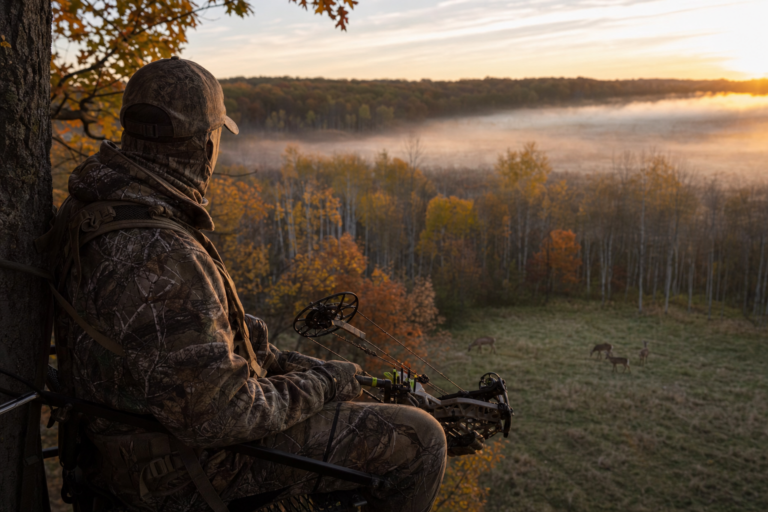
Safety and navigation are paramount considerations. Treestands, ladder stands, and climbing sticks demand rigorous inspection for rust, loose fasteners, cracks, or frayed straps, any of which could lead to catastrophic failure. A full-body harness, a non-negotiable safety item when hunting from elevated positions, must be tested with a lifeline to ensure it functions correctly and fits securely. For navigation, handheld GPS units need to be fully charged, and mapping applications on smartphones should be updated and downloaded for offline use. These tools are indispensable for navigating unfamiliar terrain and ensuring hunters can return to their starting points safely.
Advanced mapping applications, such as Xtra, offer enhanced features that significantly aid in planning and navigation. These platforms provide detailed property boundaries, landowner names and addresses, and information on property access, helping hunters avoid trespassing and coordinate with private landowners. Advanced on-the-ground navigation tools, custom pins and paths, and shape and path drawing tools allow for precise route planning and marking of key locations like stand sites or game trails. Such services typically start at an accessible price point, with plans available for as little as $4 a month, making sophisticated mapping accessible to a wide range of hunters.
Strategic game camera placement is another key aspect of preseason scouting. Effective locations include mineral licks, well-used trails connecting bedding and feeding areas, field edges and corners, and natural water sources. When setting up cameras, hunters ensure batteries are fully charged and, if still using them, format and label SD cards to prevent data loss and organize footage. Testing the field of view, motion activation settings, and flash settings confirms the camera will capture clear images under various conditions, providing valuable intelligence on deer movement and patterns.
Additional checklist items cover a broad spectrum of camp and personal readiness. Inspecting tents and campers for wear and tear, washing or airing out sleeping bags and pillows, and filling camping stove fuel canisters ensure a comfortable and functional base camp. Practicing shooting in hunting clothes helps hunters become accustomed to the feel and movement restrictions of their gear, improving accuracy under realistic conditions. Double-checking pack contents, including tags, snacks, water, hunting license, and a comprehensive first aid kit, is critical for legal compliance, sustenance, and emergency preparedness. Coordinating with landowners on private land is essential for maintaining good relationships and ensuring continued access. Finally, getting in shape physically helps hunters navigate challenging terrain, endure long days in the field, and safely extract harvested game.
Why it matters in Chapin
For Chapin, a community nestled near the expansive recreational opportunities of Lake Murray, the annual deer season is a significant event. The meticulous preseason preparation undertaken by hunters directly impacts safety and enjoyment for those venturing into the woods surrounding Lexington County. Local businesses along corridors like SC-76, including sporting goods stores and outdoor outfitters, see increased activity as residents stock up on gear, ammunition, and other supplies. The responsible practices encouraged by this comprehensive checklist contribute to sustainable wildlife management and ensure that hunting remains a cherished tradition and a safe outdoor pursuit for Chapin residents and visitors alike, preserving the natural resources that define the region’s character for future generations. The health and safety of hunters also reduce potential strain on local emergency services, including those supported by Lexington Medical Center’s Chapin community medical center. This commitment to preparedness underscores the community’s connection to its natural environment and the importance of responsible outdoor recreation.