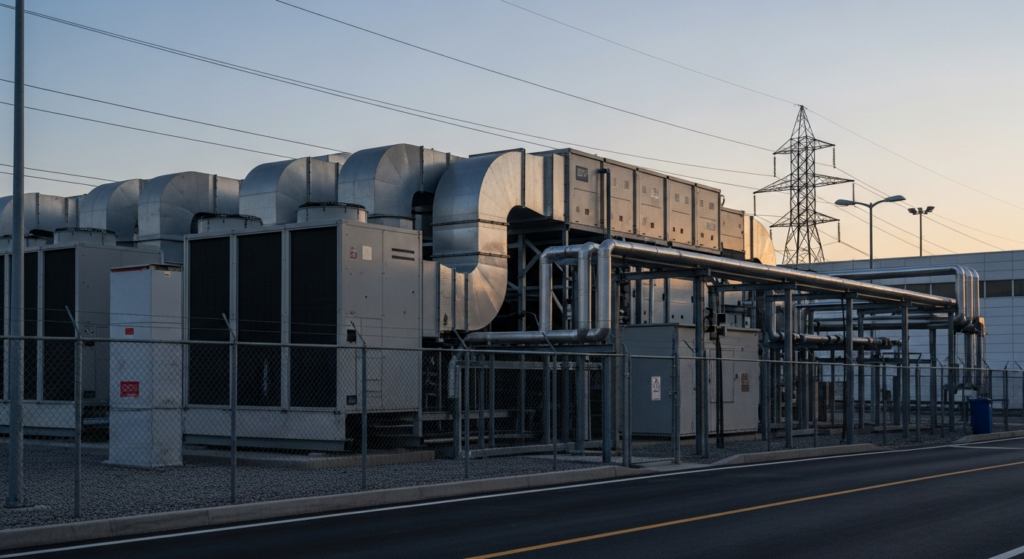
The rapid expansion of artificial intelligence infrastructure is creating a significant new bottleneck for the technology sector: power. Industry analysis indicates that the focus of tech-business coverage has shifted from the availability of advanced microchips to the sheer energy demands of AI data centers, the capacity of electrical grids, and long-term energy planning. This development carries implications for communities across the nation, including Chapin, as regional power providers grapple with unprecedented energy requirements.
For years, the conversation around advanced computing centered on the supply chain for high-performance processors. However, the computational intensity of training and running AI models has fundamentally altered this dynamic. AI data centers consume vast amounts of electricity, far exceeding the needs of traditional server farms. This escalating demand is now threatening the reliability of existing power grids and pushing utility companies to accelerate infrastructure upgrades and long-term energy generation plans.
The shift means that while the technology to build powerful AI systems continues to advance, the physical infrastructure to power them is struggling to keep pace. Planning for new power generation, transmission lines, and grid equipment typically spans many years, often decades, a timeline that contrasts sharply with the rapid evolution of AI technology. This mismatch creates a critical challenge for maintaining stable and affordable energy supplies.
In Lexington County, where Chapin is located, regional utility providers are part of this broader national trend. While specific local data center projects are not currently central to public discourse in Chapin, the increasing regional demand for electricity to support technological growth and general development will inevitably factor into future infrastructure decisions. The Town of Chapin municipal government, for instance, relies on a stable and robust power supply for public services, and any strain on the regional grid could impact operational costs or future expansion plans.
Businesses along the SC-76 corridor, from Lake Murray marinas to retail establishments, also depend on consistent and affordable power. As the energy landscape evolves, the costs associated with power generation and distribution could see adjustments, potentially affecting operational budgets for local employers. The long-term planning by regional utilities will be crucial in ensuring that communities like Chapin can continue to grow without facing energy constraints.
The challenge extends beyond simply generating more power; it also involves upgrading and expanding the transmission and distribution networks to deliver that power reliably. This requires significant capital investment and coordination between utility companies, regulatory bodies, and local governments. The discussions around grid modernization and capacity expansion are becoming increasingly relevant at regional planning tables, impacting how areas like the Midlands prepare for future economic and technological shifts.
Why it matters in Chapin
The escalating national demand for electrical power driven by AI infrastructure has direct implications for Chapin. As part of Lexington County, Chapin relies on regional power grids that are facing unprecedented strain. This trend could influence the long-term planning for the Town of Chapin municipal government, potentially affecting infrastructure projects, public service costs, and the overall reliability of power for businesses. Institutions like Lexington-Richland School District Five, which operates facilities within the Chapin area, depend on a stable energy supply for their operations, and any regional grid challenges could necessitate adjustments in their energy management strategies. Ensuring robust power infrastructure is vital for Chapin’s continued growth and stability, particularly as the region plans for future development along corridors like SC-76.