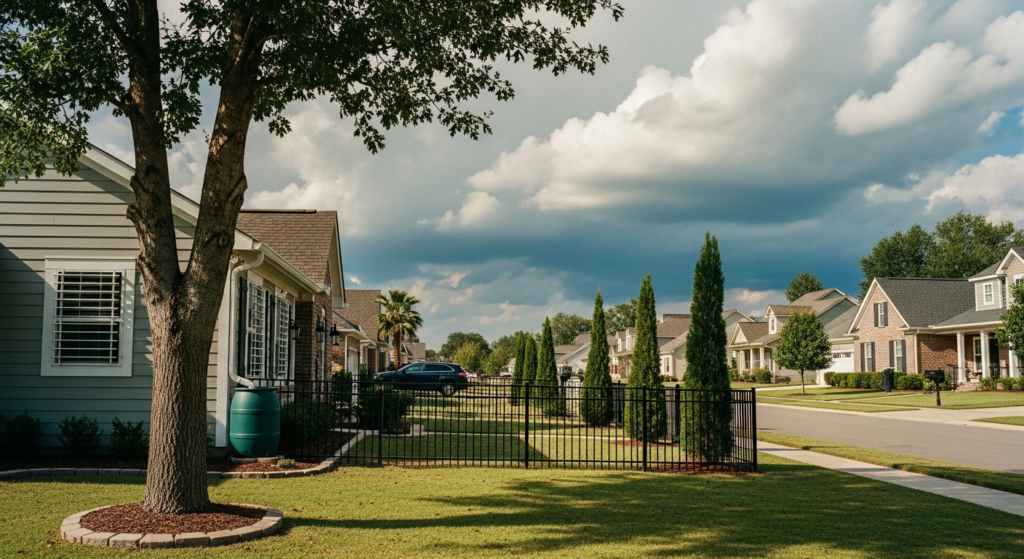
Chapin residents have access to a comprehensive guide outlining a multi-stage approach to preparing homes and families for severe weather. The resource, initially published on October 14, 2025, and updated on May 27, 2026, details actions to take well in advance of storm season, as a storm approaches, and in the critical hours before its arrival.
The guide emphasizes a proactive strategy, recommending that basic preparations begin two to three months before the typical storm season. This early phase focuses on structural integrity and water management around the home. As a storm forecast becomes more certain, typically three to five days out, a specific protection plan should be activated. The final critical actions are advised within 24 hours of the storm’s anticipated arrival.
Long-Term Exterior Preparations
For exterior home protection, the guide advises a thorough inspection of roofs to identify and address any loose or damaged shingles that could be compromised by high winds or heavy rain. Cleaning gutters and downspouts is also a priority to ensure unobstructed water flow, preventing overflow that can lead to fascia damage or water intrusion into the attic or foundation. Furthermore, downspout water should be directed at least five to ten feet away from the foundation to prevent pooling and potential structural issues.
Tree maintenance is another key component of early preparation. The guide recommends trimming branches, particularly those within ten feet of the home or power lines, to mitigate the risk of falling debris damaging property or causing power outages during high winds. Securing or storing loose outdoor items such as patio furniture, grills, and decorative elements is crucial to prevent them from becoming dangerous projectiles. Finally, a thorough check of windows and doors for proper sealing and locking mechanisms is advised to prevent water leaks and reinforce entry points.
Foundation and Water Management
Beyond the immediate exterior, the guide details steps for safeguarding a home’s foundation and managing water runoff. It recommends grading the soil around the home to ensure it slopes at least six inches over a ten-foot distance away from the foundation. This helps to divert rainwater effectively, reducing the likelihood of water pooling against the house, which can lead to foundation damage or basement flooding.
For homes with basements or crawl spaces, testing sump pumps is a critical step to ensure they are fully operational before a storm hits. Identifying vulnerable entry points, such as cracks in the foundation, gaps around pipes, or poorly sealed windows at ground level, allows homeowners to address these areas proactively. Checking basement and garage floor drains for blockages also ensures that any water that does enter can drain away efficiently, minimizing damage.
Assembling Emergency Supplies
Preparing an emergency kit is central to personal and family safety. The guide advises assembling supplies sufficient for at least 72 hours. This includes one gallon of water per person per day for drinking and sanitation, along with a supply of non-perishable food items. Essential equipment such as flashlights and an ample stock of batteries are necessary for power outages. A well-stocked first-aid kit, any necessary prescription medications, and a battery-powered or hand-crank radio for receiving emergency broadcasts are also vital.
In an age of digital reliance, the guide stresses the importance of portable phone chargers or power banks. Keeping a supply of cash on hand is also recommended, as electronic payment systems may be unavailable during widespread power outages. For households with pets, ensuring an adequate supply of pet food, water, and any necessary medications is an important consideration.
Actions When a Storm is Forecast
When a storm is specifically forecast and is three to five days away, the guide outlines a series of actions to take. Bringing all outdoor items inside, including trash cans, garden tools, and decorations, prevents them from being picked up by strong winds. Installing storm shutters or securely boarding windows with plywood offers significant protection against flying debris and high winds.
Placing sandbags around vulnerable entry points, especially garage doors and low-lying windows, can help deter water intrusion. Filling bathtubs and other large containers with water provides a reserve for flushing toilets or basic hygiene if the municipal water supply is interrupted or contaminated. Charging all electronic devices, including phones, laptops, and power banks, ensures communication capabilities for as long as possible. Filling vehicle fuel tanks is also advised, as gas stations may be closed or unable to pump fuel during power outages. Moving valuable items and important documents to higher floors can protect them from potential flooding. Finally, documenting the home’s condition with photographs or video before the storm provides a record for insurance claims if damage occurs.
When Professional Help is Warranted
While many preparations can be handled by homeowners, the guide acknowledges situations where professional assistance is necessary. This includes addressing significant roof damage that requires specialized repair, removing dangerous or diseased trees that pose a high risk, and resolving persistent foundation or water-seepage problems that indicate deeper structural issues. Professional installation or replacement of sump pumps may be needed for optimal performance.
For safety, any electrical hazards, visible mold growth, or suspected structural damage should be evaluated by qualified professionals. Gas leaks, downed power lines, active water intrusion that cannot be stopped, and sewage backups are immediate hazards that require urgent professional intervention to ensure the safety of residents in Chapin and prevent further property damage.
Why it matters in Chapin
Chapin’s location, particularly its proximity to Lake Murray and its numerous lakeside neighborhoods like Timberlake Plantation and Whitewater Landing, makes its residents especially vulnerable to the impacts of severe weather, including heavy rainfall, high winds, and potential flooding during the summer storm season. The detailed guidance on water management, such as proper soil grading and sump pump maintenance, is critical for protecting properties from water intrusion that can threaten foundations and basements. Furthermore, the advice on securing outdoor items and trimming trees directly addresses risks to homes and power infrastructure, which can impact essential services like those provided by Lexington Medical Center’s Chapin community medical center or disrupt operations for Lexington-Richland School District Five. Proactive preparation, as outlined in the guide, can mitigate significant property damage and enhance the safety and resilience of the entire Chapin community when severe weather strikes.