With deer hunting season approaching, thorough preseason preparation is critical for hunters in Chapin and the surrounding Midlands region. These preparations encompass a wide range of tasks, from detailed equipment inspections to strategic scouting and rigorous safety checks, all designed to be completed well in advance of opening day.
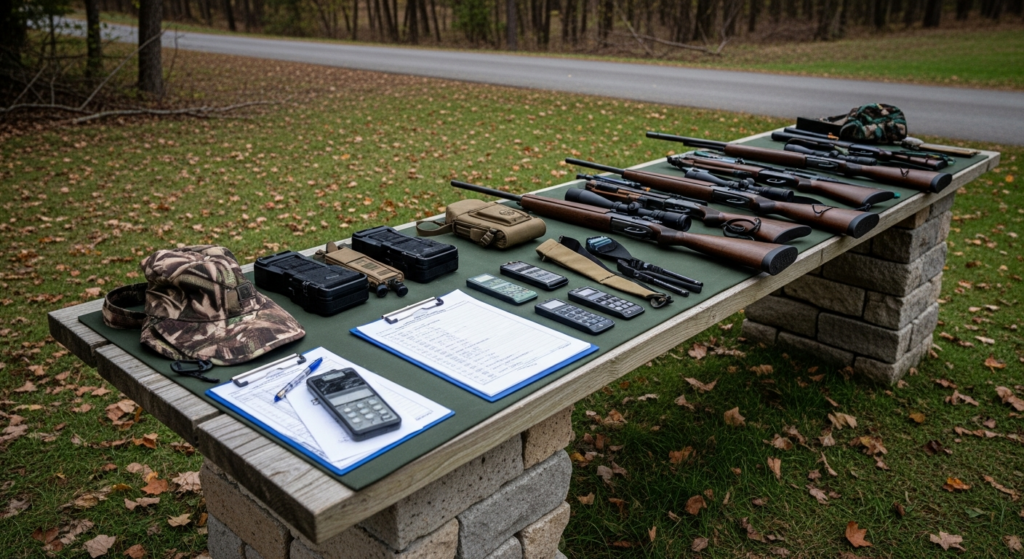
Weapon and optics maintenance forms a foundational element of preseason readiness. For bowhunters, this involves a meticulous inspection of bows for any signs of limb, cam, or string wear or separation. Strings require regular waxing, and any questionable components should be replaced without hesitation. Consistent practice shooting is also recommended to build and maintain accuracy. Rifle owners are advised to clean and oil their firearms, verify scope mounts are secure, and confirm the rifle’s zero at a shooting range. For those using broadheads, an arrow spinner is essential to check for straightness and proper alignment, as even slight wobbles can significantly impair arrow flight and accuracy.
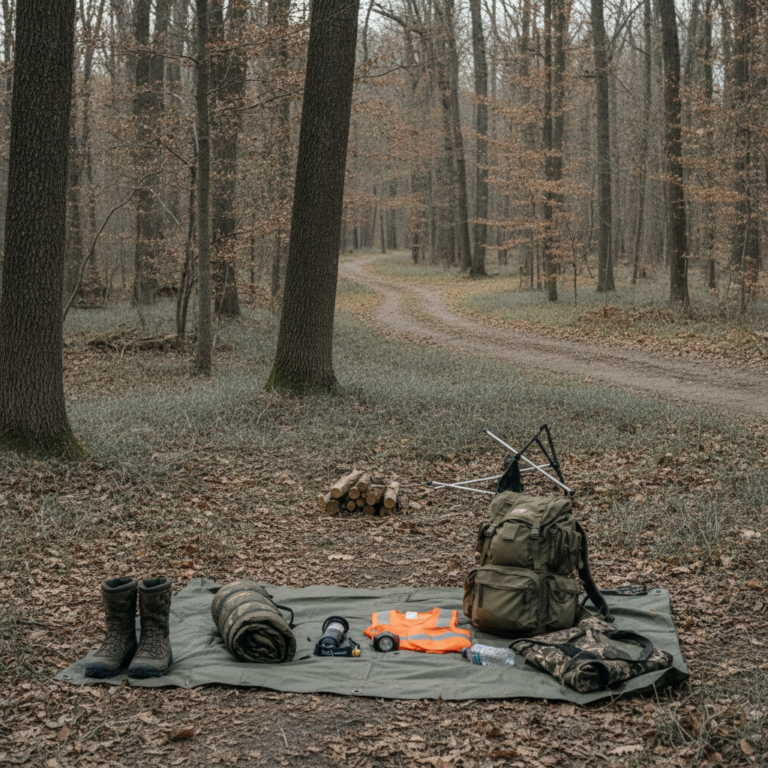
Clothing and footwear also demand attention. Hunting clothes should be washed using scent-free detergent, and then inspected for holes, worn seams, or fading that could compromise camouflage or scent control. New footwear requires a proper break-in period to prevent discomfort in the field, and waterproofing should be verified. Treating clothing with permethrin is a recommended step to help protect against tick-borne illnesses, a particular concern during the warmer months and early season.
Safety and navigation equipment are paramount. Treestands, ladder stands, and climbing sticks must be thoroughly inspected for rust, loose fasteners, cracks, or frayed straps. Any damaged equipment should be repaired or replaced immediately. A full-body harness should be tested, and practicing with a lifeline is crucial for safe ascent and descent. For navigation, handheld GPS units need to be fully charged, or mapping applications downloaded to smartphones. Carrying fully charged external battery packs ensures these devices remain operational throughout a hunt.
Strategic stand placement is another key aspect. Hunters are advised to place stands at natural pinch points, funnels, creek crossings, or staging areas located near food sources or bedding grounds. Hanging stands as early as possible allows deer to acclimate to their presence and minimizes human pressure closer to the season. Trimming shooting lanes should be done conservatively, and all setup activities should employ quiet, scent-free methods to avoid disturbing wildlife.
Map scouting, often conducted digitally, provides significant advantages. Hunters should study contour lines to identify saddles, ridges, and draws, which deer frequently use for travel. Identifying creeks, ponds, and low spots can reveal crucial water sources, especially valuable on hot days or during the rut. Satellite maps are useful for marking agricultural fields, oak stands, and natural browse areas. Studying trailheads and access points helps in planning entry and exit routes that account for varying wind conditions and avoid spooking deer. Mapping tools like Xtra, an add-on to REVEAL plans starting at $4 per month, offer features such as property boundaries, property information, shape and path drawing tools, and custom pins to enhance this planning.
Trail cameras are vital for understanding deer movement and patterns. Recommended locations include mineral licks, trails connecting bedding and feeding areas, field edges and corners, and water sources. Water sources can be particularly valuable during periods of high temperatures or the rut. Various power options are available, including lithium cartridges, solar panels (folding or standard), or battery belts. Before deployment, batteries should be fully charged, and SD cards (if used) formatted and labeled. It is essential to test the field of view, motion activation, flash, and other settings. Ultra and REVEAL 3.0 series cameras offer internal memory, making SD cards optional, while cellular cameras should be activated and updated with the latest REVEAL app version before heading into the field.
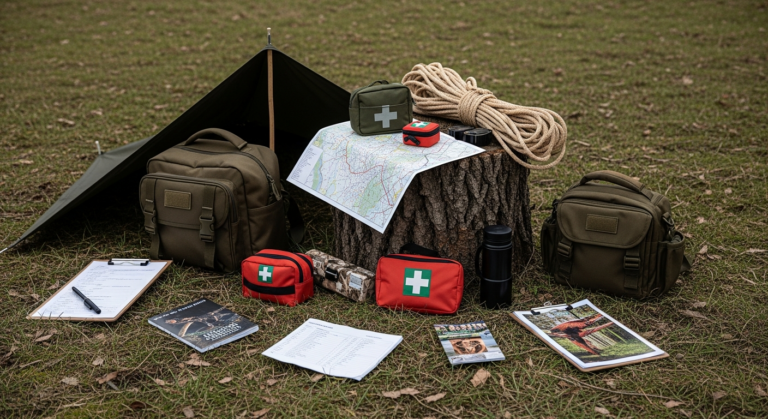
Additional preparations ensure comfort and readiness for extended trips. Inspecting tents and campers for wear, missing stakes, cracked poles, or other missing items is important. Sleeping bags and pillows should be aired out or washed. Camping stove fuel canisters need to be filled, and all cutlery confirmed present. Practicing shooting while wearing hunting clothes helps simulate real-world conditions. Packs should be checked for tags, snacks, water, a hunting license, and a first-aid kit. Coordinating plans with private-land owners is essential for those hunting on private property. Finally, getting into good physical shape for long hikes and climbs is crucial for safety and endurance in the varied terrain surrounding Chapin.
Why it matters in Chapin
For residents of Chapin and the surrounding Lexington County, deer hunting is a significant outdoor pursuit, contributing to local recreation and the economy. The meticulous preseason preparations outlined directly impact the safety and success of hunters who frequent areas like Dreher Island State Park or private lands bordering Lake Murray. Local businesses along SC-76, including sporting goods stores and outfitters, see increased activity as hunters purchase and maintain their gear. Ensuring proper preparation not only enhances individual hunting experiences but also supports responsible wildlife management and the broader outdoor recreation culture that thrives in the Chapin area, reinforcing its connection to the natural resources of the Midlands.