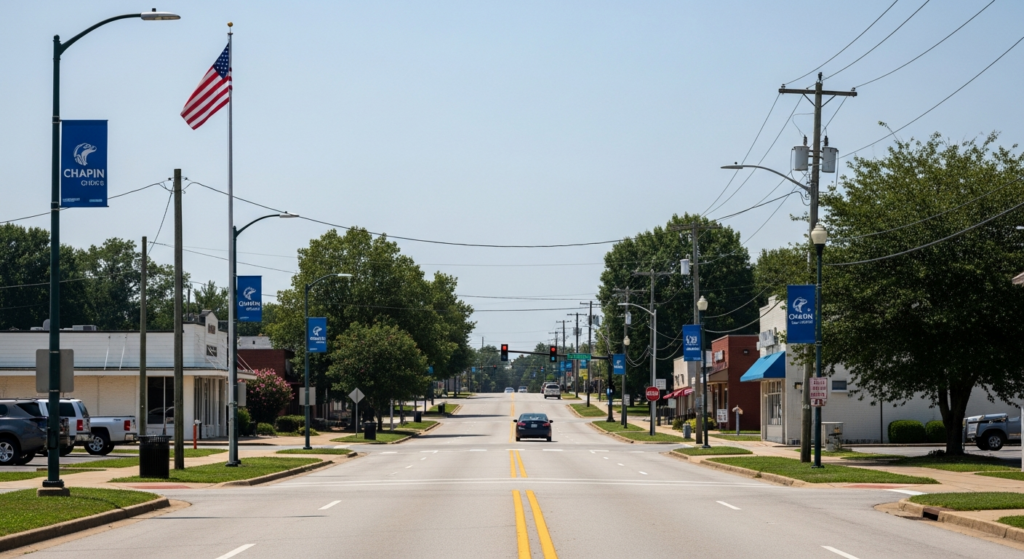
New safety guidance outlines the significant dangers posed by excessive heat, a persistent concern as summer temperatures continue. The updated recommendations detail the risks of heat exhaustion and heat stroke, providing clear symptoms, treatment protocols, and prevention strategies for individuals and employers in Chapin and the broader Lexington County area.
The urgency of these warnings is underscored by national statistics. In 2023, 294 people in the United States died from weather-related excessive heat, a figure that highlights the critical need for awareness and proactive measures. These fatalities often occur when the body’s natural cooling mechanisms are overwhelmed, leading to a rapid increase in core body temperature.
Certain populations are identified as being at a significantly higher risk for heat-related illnesses. This includes outdoor workers, who are frequently exposed to direct sunlight and high temperatures for extended periods. Infants and young children are also particularly vulnerable, especially when left in hot cars, where interior temperatures can rise to dangerous levels very quickly. People aged 65 and older face increased risks due to physiological changes that affect their ability to regulate body temperature and often due to pre-existing health conditions. Additionally, individuals who are ill, have chronic health conditions, or take certain medications may find their bodies less able to cope with heat stress. People who are overweight also face elevated risks, as their bodies may retain more heat.
For those working in hot weather conditions, recommended precautions are crucial for maintaining safety. Employers and employees should consider implementing shorter shifts, particularly for new workers or during peak heat, to allow for a gradual acclimation to the environment. Staying hydrated is paramount; individuals should drink fluids regularly, even before feeling thirsty. A buddy system is also advised, where co-workers watch for signs of heat exhaustion or heat stroke in one another. Taking regular breaks to rest and cool down in shaded or air-conditioned areas is essential. While outdoor work often comes to mind, indoor heat stress can also occur, particularly in industrial settings near ovens or furnaces, or in workplaces without adequate climate controls. Resources like the Heat Stress mobile app are available to help assess job-related risks and implement appropriate controls.
Heat exhaustion represents a less severe, but still serious, form of heat-related illness, resulting from excessive loss of water and salt through sweating. Recognizing its signs and symptoms is vital for early intervention. These can include pale, ashen, or moist skin; muscle cramps; feelings of fatigue, weakness, or general exhaustion; a persistent headache, dizziness, or even fainting spells; nausea or vomiting; and a rapid heart rate. Initial treatment for someone experiencing heat exhaustion involves moving the person immediately to a cooler environment, such as shade or an air-conditioned space. Providing water or another cool, nonalcoholic beverage is important for rehydration. Applying wet towels to the skin or facilitating a cool shower can also help lower body temperature.
Heat stroke, by contrast, is a medical emergency that requires immediate professional help. It occurs when the body’s temperature regulation system fails, leading to a dangerously high core body temperature. Signs that indicate heat stroke include a body temperature above 103 degrees Fahrenheit; skin that appears flushed, dry, and hot, typically with sweating having stopped; rapid breathing; a severe headache, dizziness, confusion, or other altered mental status; irrational or belligerent behavior; convulsions; or unresponsiveness. Any of these symptoms warrant urgent action.
Responding to heat stroke demands swift and decisive measures. The first step is to call 911 immediately. While waiting for emergency services, move the person to the coolest possible place. Remove any unnecessary clothing to facilitate cooling. The most effective method for immediate cooling, if feasible and with the help of a second rescuer, is to immerse the person up to the neck in cold water. If immersion is not possible, a cold shower or the application of cold, wet towels to the skin, particularly the neck, armpits, and groin, should be used. Cooling efforts should continue until the body temperature reaches 101 degrees Fahrenheit. Throughout this process, breathing should be monitored, and cardiopulmonary resuscitation (CPR) should be administered if needed. It is crucial to remember what *not* to do: do not force liquids on an unresponsive person, do not apply rubbing alcohol to the skin, and do not allow the person to take pain relievers or salt tablets, as these can worsen the condition.
Preventative measures are the most effective way to avoid heat-related illnesses. Using air conditioning is one of the most reliable methods to stay cool indoors. Consistent fluid intake, even when not feeling thirsty, is critical, but alcohol should be avoided as it can contribute to dehydration. Wearing loose-fitting, lightweight clothing, along with a hat and sunscreen, can help protect the body from direct sun exposure and allow for better air circulation. Replacing salts lost through sweating with fruit juice or sports drinks can help maintain electrolyte balance. Limiting outdoor time during the hottest period of the day, typically from 11 a.m. to 3 p.m., is also highly recommended. Pacing physical exertion and taking frequent breaks during any strenuous activity can prevent overheating. Finally, community vigilance plays a significant role; checking on elderly, house-bound, or otherwise vulnerable neighbors is a vital preventative step. Offering an air-conditioned place, transportation to a cooling center, or assistance in arranging services can make a critical difference in preventing severe heat-related outcomes in Chapin.
Why it matters in Chapin
For residents of Chapin, understanding and implementing heat safety guidance is particularly relevant given the area’s climate and lifestyle. With Lake Murray serving as a central hub for recreational activities, many individuals spend significant time outdoors during the summer months, increasing their exposure to heat. Local employers, including those in construction, landscaping, and the Lake Murray marinas and tourism trade, have a direct interest in protecting outdoor workers from heat-related illnesses. Furthermore, institutions like Lexington Medical Center and Prisma Health Family Medicine – Chapin are prepared to treat heat-related emergencies, but proactive prevention can alleviate strain on healthcare resources. Ensuring the safety of students and staff during summer programs at Lexington-Richland School District Five facilities also depends on adherence to these guidelines. By taking precautions, Chapin can mitigate the risks associated with prolonged summer heat, protecting its most vulnerable residents and ensuring community well-being.