Anglers in Chapin and the surrounding Lake Murray area are encouraged to review a new comprehensive safety guide designed to mitigate risks associated with summer fishing. The recommendations focus on preventing heat-related illnesses, navigating unpredictable weather, and practicing conservation-minded techniques to protect both individuals and the aquatic environment.
Adequate hydration is paramount for anyone spending extended periods outdoors, especially during the warmer months. The guide stresses the importance of proactive water intake, recommending that anglers begin their day well-hydrated and aim for at least eight glasses of water daily. This intake should increase significantly during periods of heavy sweating. Carrying an insulated water bottle is advised to keep drinks cool, and electrolyte drinks or tablets can supplement water, particularly during strenuous activity. Conversely, caffeine and alcohol are discouraged due to their dehydrating effects. Incorporating water-rich fruits and vegetables into one’s diet can also contribute to overall hydration.
Sun protection is another critical component of summer safety. The guide advises applying broad-spectrum sunscreen with a minimum SPF of 30 to all exposed skin 15 to 30 minutes before heading outside. Reapplication every two hours, or more frequently after sweating or water exposure, is essential. Beyond sunscreen, UV-protective sunglasses are recommended to shield eyes from glare and harmful rays, while protective clothing, such as light-colored, loose-fitting, and breathable layers, can offer additional defense. Garments specifically designed with UV protection are highly effective. Anglers should also consider a wide-brimmed hat and a buff or neck gaiter to protect the face, neck, and ears. Minimizing direct sun exposure between 10 AM and 4 PM, when UV radiation is strongest, and taking shaded breaks can further reduce risk.
Recognizing the symptoms of heat exhaustion is vital for prompt intervention. Indicators include heavy sweating, weakness, dizziness, nausea, headaches, and muscle cramps. Should these symptoms arise, the guide recommends immediate action: moving to a shaded or air-conditioned area, slowly drinking cool water or an electrolyte solution, applying cool wet cloths to the skin, and loosening clothing. A cool shower or bath can also help lower body temperature. Seeking immediate medical attention is crucial if symptoms worsen or do not improve, as heat exhaustion can quickly progress to the more severe and life-threatening heat stroke.
Weather awareness is a non-negotiable aspect of safe fishing. Before any trip, anglers should thoroughly check local weather forecasts, heat advisories, and severe-weather alerts. For those fishing on Lake Murray or the Saluda River, consulting tide charts and river conditions is also important. Using a weather radio or smartphone alerts can provide real-time updates while on the water. Planning fishing excursions for cooler periods, such as early morning or late afternoon, can help avoid the peak heat of the day. The guide also advocates for a buddy system, ensuring no one fishes alone, especially in remote areas.
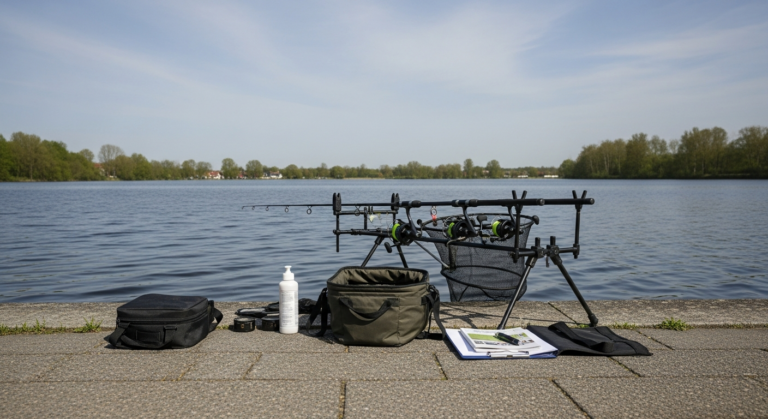
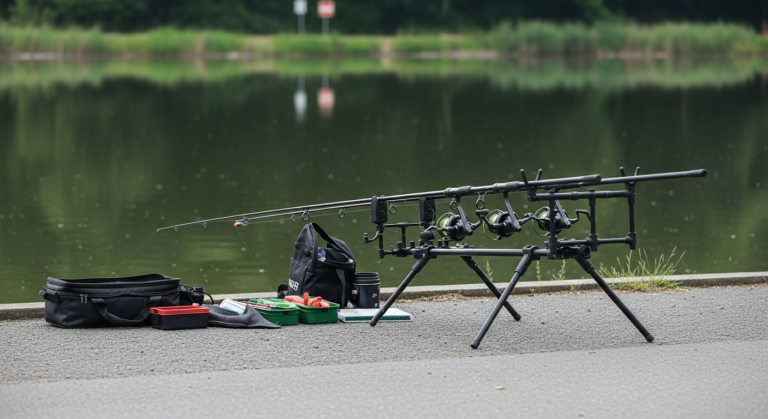
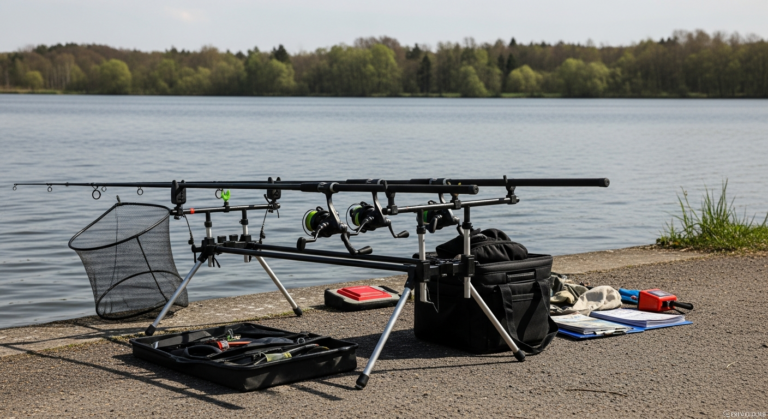
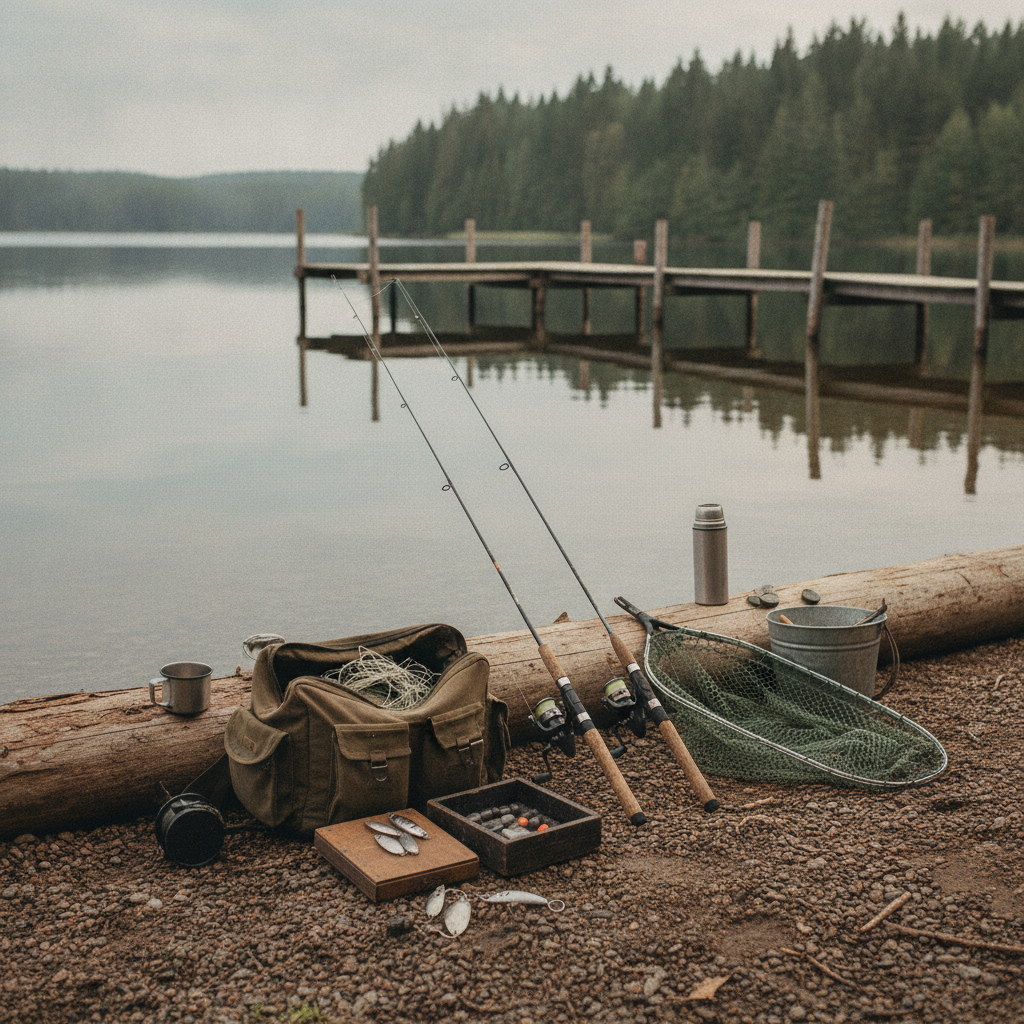
Essential gear beyond fishing equipment can make a significant difference in safety and comfort. A well-stocked first-aid kit, containing bandages, antiseptics, pain relievers, and any personal medications, is indispensable. Ample water and high-energy snacks are necessary for sustained activity. A cooler with ice packs can keep food and drinks cold, and a portable fan or misting device can offer personal cooling. Beyond sun protection items, extra clothing and a lightweight waterproof jacket are prudent additions, preparing for sudden weather changes. A multi-tool or fishing knife is also a practical item for various on-the-water needs.
Responsible fish handling and conservation practices are integral to preserving the health of local fisheries, including those in Chapin. The guide recommends using barbless hooks or crimping hook barbs to minimize injury to fish. Anglers should wet their hands before handling fish to protect their slime coat, and avoid touching gills and eyes. Proper support of the fish, especially larger specimens, is crucial to prevent internal damage. Limiting the time a fish spends out of water, using a landing net, and having cameras ready before taking photos can reduce stress on the fish. Adhering to all local catch limits and seasonal restrictions is mandatory, and practicing catch and release, particularly for larger, breeding-age fish, helps ensure sustainable populations for future generations of Chapin anglers.
Why it matters in Chapin
Chapin’s identity is deeply intertwined with Lake Murray, which serves as a vital recreational and economic engine for the community. Thousands of residents and visitors frequent the lake for fishing, boating, and other water activities, contributing significantly to the local tourism trade and supporting businesses along the SC-76 corridor and at Lake Murray marinas like Timberlake, Putnam’s Harbor, and Lighthouse Marina. Adhering to these safety guidelines is not merely a matter of personal well-being; it directly impacts the safety of the entire community that relies on Lake Murray. By promoting responsible practices, Chapin ensures that its most cherished natural asset remains a safe and sustainable resource, protecting both its people and its environment for years to come.