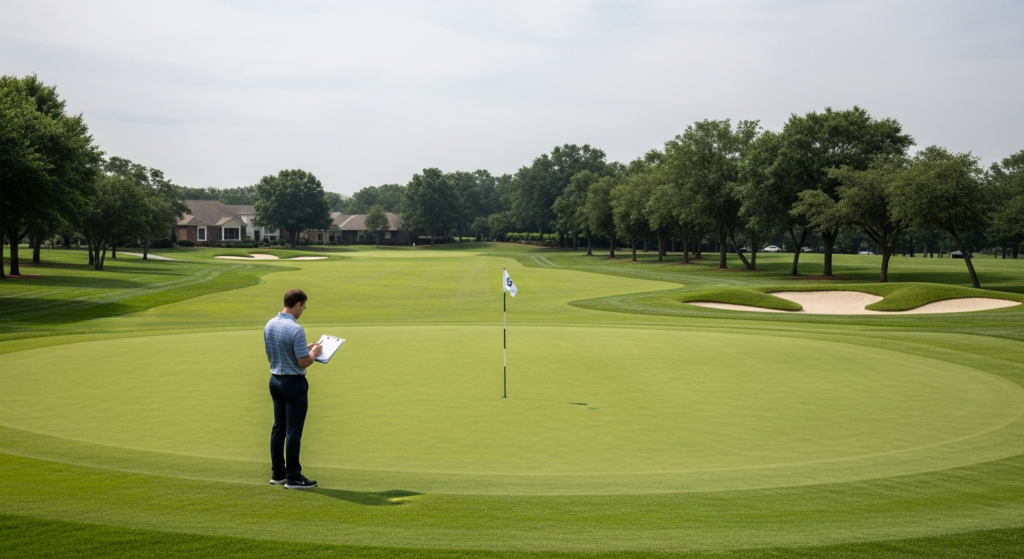
A comprehensive golf etiquette manual, designed to introduce players to the fundamental principles of the sport, outlines a series of guidelines intended to maximize enjoyment, improve course conditions, and promote safety for all participants. The manual, which has seen revisions over the years, serves as a foundational resource for both new and experienced golfers navigating the diverse courses available, including those frequented by residents of Chapin.
One of the primary areas addressed is the dress code, a common point of inquiry for many golfers. The manual advises players to always check specific course requirements in advance, as policies can vary significantly between private clubs and public facilities. However, it offers general recommendations: a collared shirt and slacks are typically suggested, while items such as jeans, tank tops, short shorts, and T-shirts are generally discouraged. For footwear, soft-spiked golf shoes are the standard, designed to provide grip without damaging the turf. The manual notes that sneakers, athletic shoes, and golf sandals may be permitted at some courses, highlighting the importance of prior verification. Adhering to these guidelines contributes to the traditional aesthetic of the game and helps maintain a respectful atmosphere on the course.
Cell phone use on the golf course is another topic where etiquette plays a crucial role. The manual states that many private courses and some public courses strictly prohibit cell phone use on the premises to preserve the tranquility of the game and prevent distractions. Other facilities may restrict phone use to designated areas, such as the clubhouse or parking lot. For those who carry phones onto the course, the manual strongly recommends keeping them on vibrate mode to avoid disturbing other players. This guidance reflects a broader effort to ensure that the focus remains on the game and the natural environment, free from the interruptions of modern communication.
On-course conduct forms the core of golf etiquette, emphasizing respect and sportsmanship. The manual identifies two cardinal rules: remaining motionless and quiet while another player is making a stroke, and maintaining a courteous and composed demeanor throughout the round. This includes avoiding displays of frustration such as club abuse, refraining from foul language, and limiting constant complaints. These rules are not merely formalities; they are essential for allowing players to concentrate fully on their shots and for fostering a positive and enjoyable environment for everyone on the course. The mental focus required for golf is easily disrupted, and adhering to these principles helps ensure fair play and mutual respect.
Pace of play is a critical component of golf etiquette, directly impacting the experience of all groups on the course. The manual suggests that most 18-hole courses can be played in four hours or less by a group of four, provided groups maintain the correct position relative to the group ahead. When a group falls out of position and begins to hold up those behind them, the manual recommends inviting the following group to play through. This practice, while sometimes feeling like an inconvenience, is vital for maintaining the flow of play and preventing bottlenecks that can lead to frustration and extended rounds for everyone. Efficient movement between shots, being ready to play when it’s one’s turn, and not spending excessive time searching for lost balls are all practical ways golfers can contribute to a good pace.
Safety and course maintenance are also extensively covered in the manual, underscoring the responsibility of each player to protect themselves, others, and the integrity of the course. For safety, players are instructed to avoid swinging their clubs when anyone could be struck and to wait until players ahead are well out of range before hitting. A universal warning, shouting “FORE!” loudly, is mandated whenever there is a possibility that a ball may strike someone. This immediate alert can prevent serious injury. From a maintenance perspective, the manual provides clear directives: players should replace divots (the pieces of turf dislodged during a swing), repair ball marks (the indentations made by a ball landing on the green), and rake bunkers to smooth out footprints and club marks. Additionally, it advises keeping golf carts away from greens, tees, wet areas, and steep slopes to prevent damage to sensitive turf and to ensure safe operation. These practices are fundamental to leaving the course in as good or better condition than it was found, ensuring quality playing surfaces for all.
To aid in understanding the game’s nuances, the manual also defines key golf terms. These include ‘bunker,’ ‘casual water,’ ‘ground under repair,’ ‘line of putt,’ ‘out of bounds,’ ‘putting green,’ ‘stroke,’ ‘teeing ground,’ and ‘through the green.’ A clear understanding of this terminology is essential for players to comprehend the rules, communicate effectively with playing partners, and navigate the course with confidence. The principles outlined in this manual are broadly applicable to golf courses throughout the Midlands region, offering valuable guidance for anyone playing the game in Chapin and its surrounding communities.
Why it matters in Chapin
For residents of Chapin, understanding and adhering to established golf etiquette is crucial for enhancing the overall experience at local and regional courses. With destinations like Timberlake Plantation offering golf opportunities, and numerous other courses accessible around Lake Murray and throughout Lexington County, these guidelines ensure that play remains enjoyable, safe, and fair for everyone. Proper etiquette contributes to the longevity and quality of these valuable recreational assets, reducing wear and tear on greens and fairways and fostering a respectful atmosphere. By embracing these standards, Chapin golfers play a direct role in preserving the integrity of the game and supporting the vibrant golf culture that thrives in the Midlands. This collective adherence helps maintain the high standards expected at premier facilities and ensures a welcoming environment for all who wish to enjoy the sport. The principles outlined in the manual are particularly relevant during the busy summer months when courses see increased traffic, making the need for efficient play and respectful conduct even more pronounced.